Common Foodborne Pathogens: E. coli O157:H7
ID
2805-7002 (FST-204NP)
What is E. coli O157:H7?
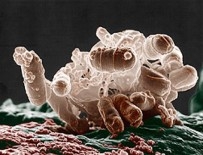
Escherichia coli is a common bacterium found in the human intestinal tract and vital to the proper functioning of our digestive system. While most strains of E. coli are beneficial to humans, a few are pathogenic. The most infamous example is E. coli O157:H7.
While this bacterium is too small to be seen without the aid of a microscope, E. coli O157:H7 is capable of causing serious damage to our digestive tract. First discovered as a foodborne pathogen in 1982, numerous E. coli O157:H7 foodborne outbreaks have been documented.
Symptoms of E. coli O157:H7 Infection
The most common symptoms of E. coli O157:H7 infection includes bloody diarrhea, stomach cramps, and vomiting. Symptoms typically appear within 3 to 4 days and illness can last one to two weeks unless complications occur. Severe cases of infection can also result in Hemolytic Uremic Syndrome (HUS) a type of kidney damage most likely seen in children.
Who gets E. coli O157:H7 Infection?
Foodborne infections from E. coli O157:H7 are obtained through eating contaminated food or water as well as coming in contact with animals in locations such as petting zoos. While children and the elderly are more likely to develop serious complications, any age can become infected.
Proper Food Handling Techniques to Avoid Infection
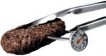
Do not eat undercooked ground beef products. Using a meat thermometer, make sure meat reaches the correct internal temperature; just because it looks done, doesn’t mean it is! Drink only pasteurized milk, juice or cider. Rinse fruits and vegetables thoroughly with tap water, especially those that will not be cooked. Make sure infected people, especially children, wash their hands carefully with soap after using the toilet and petting animals to reduce the risk of spreading the disease.
Recent E. coli O157:H7 Outbreaks in the U.S.
September 2006: an outbreak of E. coli O157:H7 occurred from infected, bagged spinach grown in San Benito Valley, California. The CDC traced the bacterium to contaminated (from animal feces) water used in irrigation. Over two hundred people were infected with three resulting deaths and thirty-one individuals developed HUS. The outbreak spread across twenty-six states.
September 2007: an outbreak of E. coli O157:H7 occurred from Topps brand frozen ground beef patties. Thirty-seven cases spanned eight states. Of those cases, twenty-one were hospitalized with two developing HUS.
Commonly Associated Foods
- Ground Beef
- Fermented Meat
- Lettuce and other leafy greens
- Unpasteurized Milk
- Unpasteurized Apple Cider
- Alfalfa sprouts
 Safe Food Handling Checklist
Wash hands often
Wash counter and utensils
Keep foods separated
Rinse fruits and vegetables
- Cook foods thoroughly
Ground Beef = 160°F
Steak:
Rare = 145°F
Medium = 160°F
Well Done = 170°F
Refrigerate ingredients and leftovers immediately after use
For More Information Contact: Renee R. Boyer, Ph.D. Extension Specialist
rrboyer@vt.edu
Virginia Cooperative Extension materials are available for public use, reprint, or citation without further permission, provided the use includes credit to the author and to Virginia Cooperative Extension, Virginia Tech, and Virginia State University.
Virginia Cooperative Extension is a partnership of Virginia Tech, Virginia State University, the U.S. Department of Agriculture, and local governments. Its programs and employment are open to all, regardless of age, color, disability, sex (including pregnancy), gender, gender identity, gender expression, national origin, political affiliation, race, religion, sexual orientation, genetic information, military status, or any other basis protected by law
Publication Date
June 17, 2020