Poison Ivy: Leaves of three? Let it be!
ID
426-109 (SPES-510P)
 EXPERT REVIEWED
Introduction
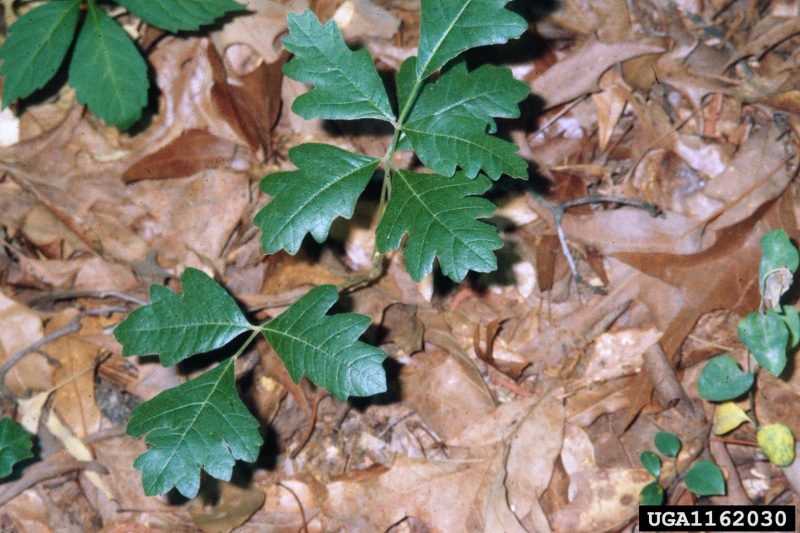
Those who experience the blisters, swelling, and extreme itching that result from contact with poison ivy (Toxicodendron radicans), poison oak (Toxicodendron pubescens), or poison sumac (Toxicodendron vernix) learn to avoid these pesky plants. Although poison oak and poison sumac do grow in Virginia, poison ivy is by far the most common. This publication will help you identify poison ivy, recognize the symptoms of a poison ivy encounter, and control poison ivy around your home.
Identification
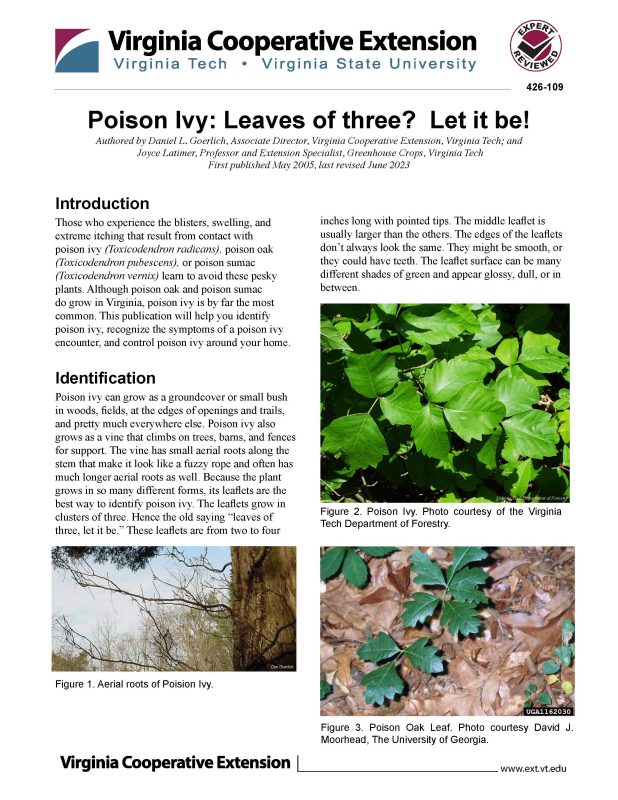
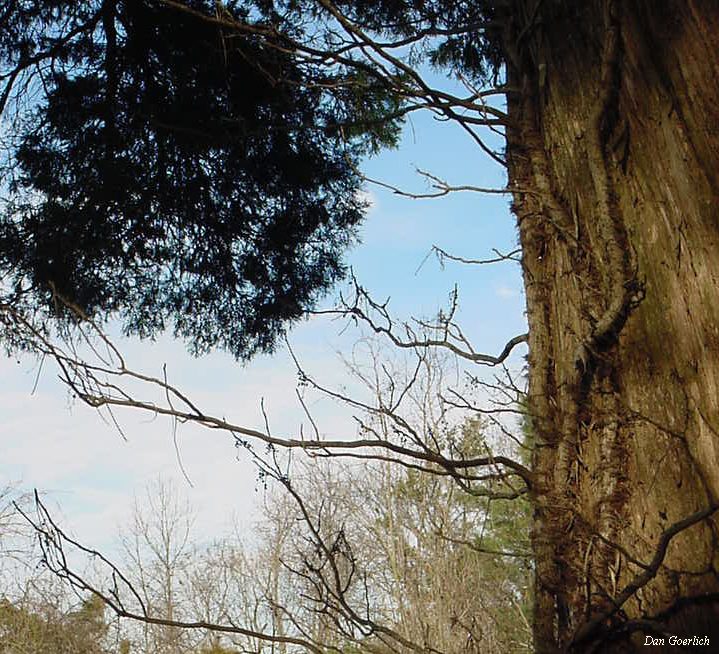
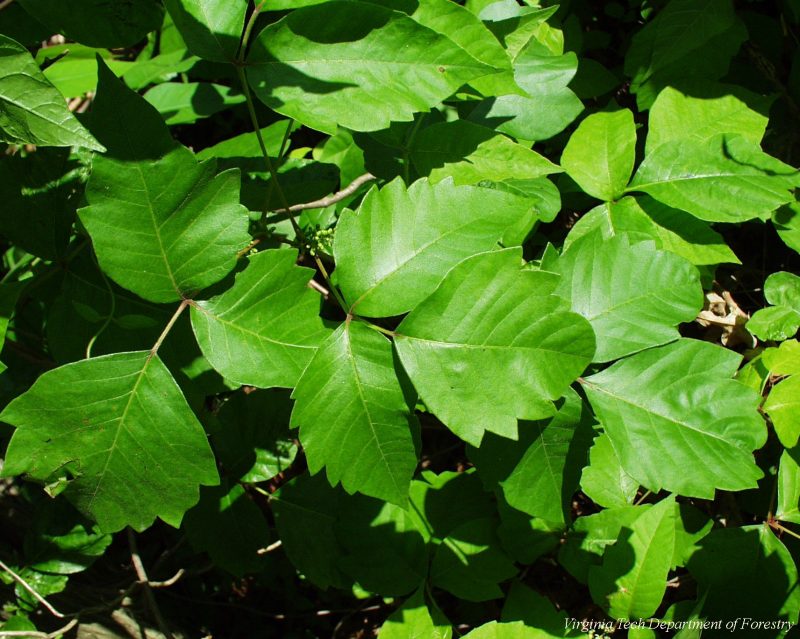
Poison ivy can grow as a groundcover or small bush in woods, fields, at the edges of openings and trails, and pretty much everywhere else. Poison ivy also grows as a vine that climbs on trees, barns, and fences for support. The vine has small aerial roots along the stem that make it look like a fuzzy rope and often has much longer aerial roots as well. Because the plant grows in so many different forms, its leaflets are the best way to identify poison ivy. The leaflets grow in clusters of three. Hence the old saying “leaves of three, let it be.” These leaflets are from two to four inches long with pointed tips. The middle leaflet is usually larger than the others. The edges of the leaflets don’t always look the same. They might be smooth, or they could have teeth. The leaflet surface can be many different shades of green and appear glossy, dull, or in between.
Poison sumac is a small tree that primarily grows on moist sites in the southern and eastern parts of the state. There are several other species of sumac that are not poisonous at all. Poison oak is a shrub that grows on dry sites, mainly in eastern Virginia. It is usually less than ten feet tall.
What Causes the Rash?
All parts of the poison ivy plant, including the roots, stems, bark, and leaflets, are poisonous year round. The blistering rash people get is caused by an oily toxin known as urushiol. The most common way this toxin gets on your skin is when you touch the plant, especially one that has been damaged in some way, such as being stepped on or run over with the lawnmower. The toxin is oily and sticky, and is easily spread around when you touch other parts of your body. For example, if you are weeding a flower bed and pull up some poison ivy, then wipe your face later on, the chances are pretty good that a rash will develop on your face. You also can contract the rash by picking up the toxins from animals, clothes, or other items that have been in contact with poison ivy. And, if poison ivy is burned in a brush pile, the resulting smoke carries the toxins. It is very important that you avoid breathing the smoke of burning wood or brush if poison ivy might be part of the pile.
Symptoms
Symptoms begin to appear within a few hours—or days—of contacting poison ivy. Your skin might start itching and burning. This is followed by a rash, redness, swelling, and even watery blisters. Contrary to popular belief, the rash from poison ivy is not spread by touching the oozing blisters.
The seriousness of your rash will depend on how much toxin you contact, the degree of your susceptibility, and the length of time it is on your skin. In addition, your sensitivity to the toxin can change with age. People vary in their reactions to poison ivy. Some people have no reaction.
Prevention and Treatment
If you suspect that you will encounter poison ivy while working or exploring, it is a good idea to wear a long-sleeve shirt, long pants, and gloves. Be sure to wash clothing and gloves after working in an area where poison ivy is growing. And, wash your hands immediately after placing your clothes in the washing machine. Keep in mind that poison ivy toxins can find their way through clothing. Cases of poison ivy have occurred when a person sweat through a long-sleeve shirt, thereby allowing the toxins to absorb through the fabric and onto the skin!
If you know you have been in contact with poison ivy, wash the area thoroughly as soon as possible with soap and cool water. Warm water may cause the resin to penetrate the skin faster. Because skin can absorb urushiol in a few minutes, you may still get a rash, but at least you will have contained the infected area.
Unfortunately, there is no magic cure for poison ivy, and the rash usually runs its course in two weeks or so. But if you have a bad case, those can be two long weeks. Anti-itch creams can help you get through this period. A variety of products are available, and some are better than others. Some very good prescription drugs are available that can be taken to control extreme cases of poison ivy. Preventative vaccinations are also available and should be administered in late winter. There are lotions that effectively block urushiol from touching the skin if they are applied before contact. Contact your family physician or pharmacist for more recommendations.
Control
Herbicides can be used to effectively control poison ivy. Contact your local Extension agent for more information on which herbicides to select, along with recommendations for preparing herbicide mixtures and applying them safely. Always be sure to follow the directions on the product label.
Acknowledgements
The authors thank the following individuals for critical review of this publication: Dave Close, Volunteer Engagement Specialist, Virginia Cooperative Extension; Adam Downing, Senior Extension Agent, ANR/ Forestry, Virginia Cooperative Extension Northwest District; Alex Niemiera, Professor of Horticulture, School of Plant and Environmental Sciences, Virginia Tech; and Jim Willis (retired), Extension Agent, ANR/Forestry, Virginia Cooperative Extension Southwest District.
Virginia Cooperative Extension materials are available for public use, reprint, or citation without further permission, provided the use includes credit to the author and to Virginia Cooperative Extension, Virginia Tech, and Virginia State University.
Virginia Cooperative Extension is a partnership of Virginia Tech, Virginia State University, the U.S. Department of Agriculture (USDA), and local governments, and is an equal opportunity employer. For the full non-discrimination statement, please visit ext.vt.edu/accessibility.
Publication Date
June 26, 2023