What Do I Need To Know To Sell SEAFOOD at the Farmers Market?
ID
FST-380NP (FST-519NP)
Why sell seafood at a farmers market?
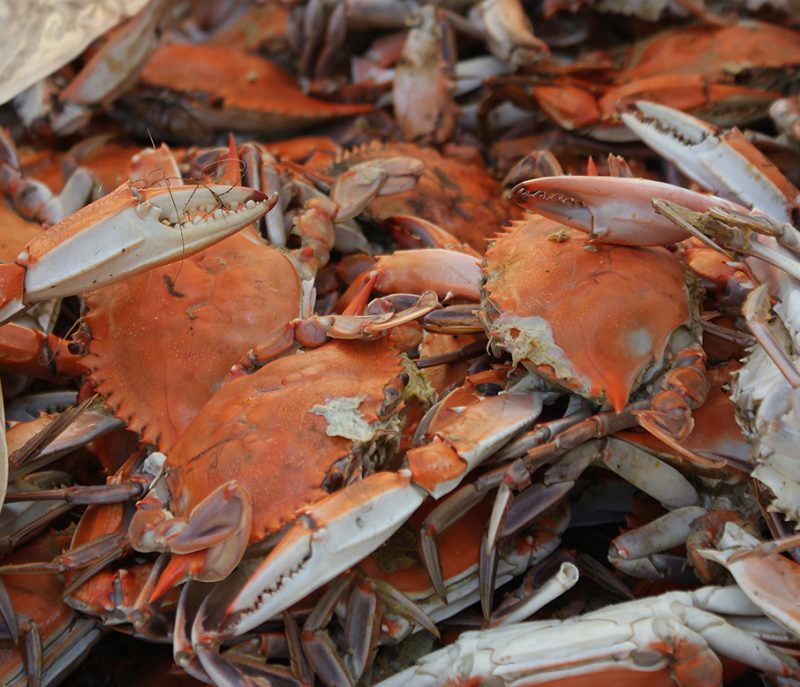
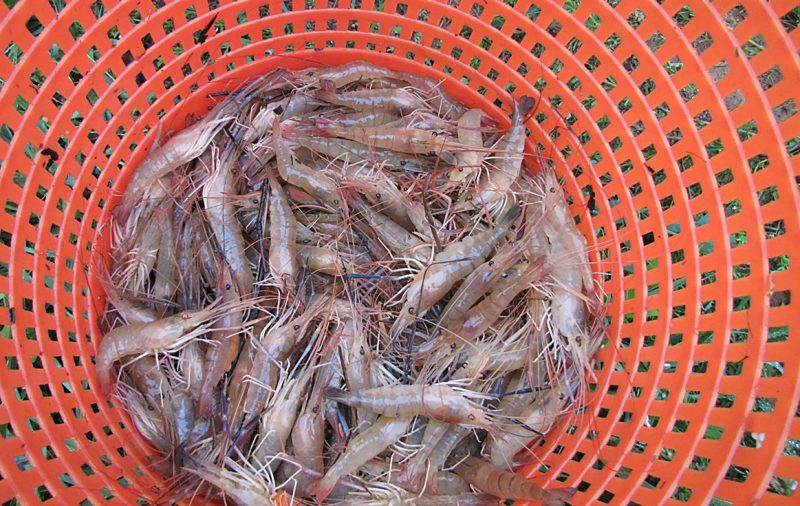
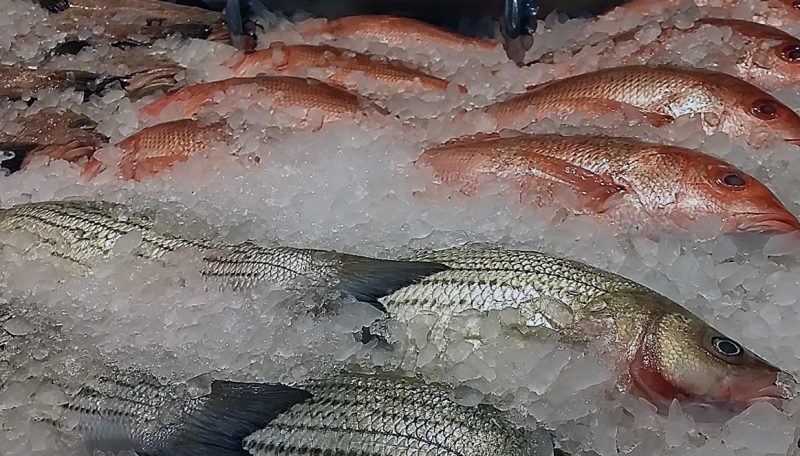
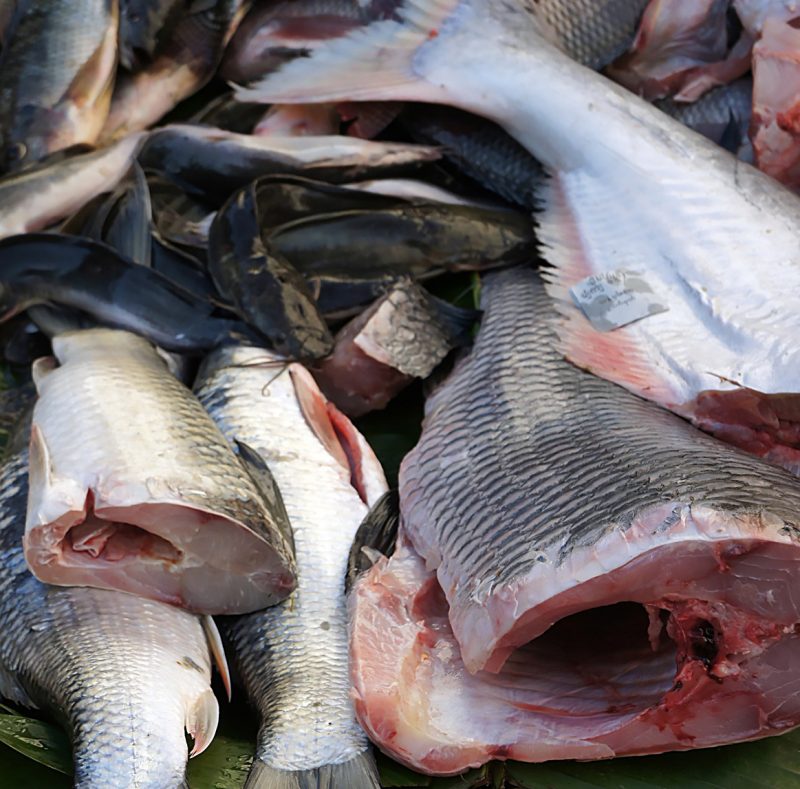
Virginia is one of the leading seafood producers on the Atlantic Coast. Customers have access to a wide variety of fresh and locally harvested seafood, including oysters, sea scallops, clams, blue crabs, striped bass, flounder, croaker, black sea bass, and blue catfish, among many others.
Selling seafood at farmers markets provides an opportunity for producers and vendors to connect directly with consumers, expand market access, and promote locally sourced products. Increasing consumer interest in fresh, traceable, and sustainably harvested seafood continues to drive demand. Farmers markets help meet this demand while supporting local watermen, aquaculture operations, and the regional economy. (figures 1a, 1b, 1c, 1d).
What kind of license or permit do I need to sell my seafood at a farmers market?
To be able to sell seafood at a farmers market, you must apply for and obtain the appropriate license or permit from the Virginia Department of Agriculture and Consumer Services (VDACS), depending on the type of product and operation. Vendors should familiarize themselves with the application process through the VDACS Food Safety Program at https://www.vdacs.virginia.gov/dairy-farmers-market-vendors.shtml.
Before submitting an application, determine whether your seafood products will be prepared in a home kitchen (if allowed) or in a community or commercial kitchen. Approved facilities may be subject to inspection prior to operation. Training may be required depending on the type of seafood product.
Note: At the federal level, most seafood is regulated by the U.S. Food and Drug Administration. However, certain species of catfish (Siluriformes), including blue catfish, are regulated by the United States Department of Agriculture Food Safety and Inspection Service (FSIS).
In Virginia, seafood is regulated by both VDACS and the Virginia Department of Health, Office of Environmental Health Services, Division of Shellfish Safety. At farmers markets, packaged seafood products are typically regulated and inspected by VDACS, while on-site food service operations (e.g., cooking or serving food to consumers) fall under the authority of the local health department. Additional requirements may apply depending on the product, processing method, and locality.
Farmers Market Selection
Several resources are available to help identify farmers markets in Virginia, including directories maintained by the VDACS through the “Virginia Grown” program and the Virginia Farmers Market Association (VAFMA).
Before selecting a market, contact the market manager to understand vendor requirements, product restrictions, and operational guidelines. Not all farmers markets allow seafood sales, and some may require documentation such as proof of licensing, food safety training, or temperature control procedures.
When evaluating a market, consider factors such as available infrastructure (e.g., access to electricity or ice for cold holding), customer demand, vendor fees, and market hours.
In addition to market requirements, vendors must comply with local regulations. Each county, city, or town may have additional guidelines or permitting requirements for selling food products at farmers markets.
How do I know if I need training before selling seafood at a farmers market?
Training requirements depend on the type of seafood product you are selling and how it is handled or prepared. If you are processing seafood, such as preparing products like clam chowder, oysters Rockefeller, crab cakes, crab dip, soups, or smoked seafood, you are generally required to complete a Seafood Hazard Analysis Critical Control Point (HACCP) training program. This requirement is established by the U.S. Food and Drug Administration under 21 CFR Part 123. Seafood HACCP training provides a thorough understanding of food safety hazards, critical control points, and how to develop and implement a HACCP plan to ensure product safety.
If you are selling whole, unprocessed seafood, HACCP training may not be required; however, proper food safety practices, including temperature control and sanitation, are still essential. Additional training or certification may be required depending on your operation and local requirements.
For more information on training opportunities, contact the Virginia Tech Seafood Agricultural Research and Extension Center, by phone at (757) 727-4861 or consult the VDACS Food Safety Program for current guidance.
What types of seafood and seafood products can I sell at a farmers market?
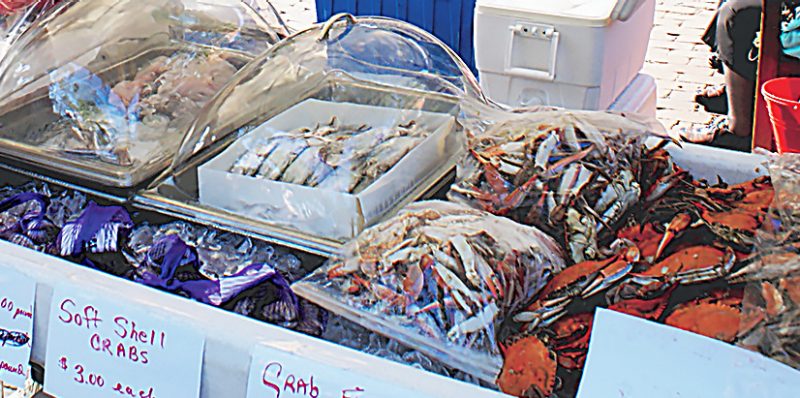
A variety of seafood and seafood products can be sold at a farmers market (fig. 2), depending on how the product is handled and approved for sale. These include:
- Fish – dressed, fillets.
- Live oysters, clams, and mussels.
- Scallops meat.
- Shrimp.
- Packed, shucked oysters.
- Cooked products:
- Blue crabs, crab cakes.
- Seafood soups, dips, smoked seafood. - Prepackaged products:
- Crabmeat (cooked and packed by permit holder).
- Shucked oysters. - Other value-added seafood.
*Note: All seafood must come from approved and regulated sources. Shellfish products must comply with tagging and traceability requirements.
If seafood products are processed, packaged, or prepared, the facility where they are produced is typically subject to inspection and regulation by VDACS. Requirements vary depending on the type of product and operation.
Can I transport seafood to a farmers market in my private vehicle?
Yes. Seafood may be transported in a private vehicle, provided it is protected from contamination. The vehicle and storage area should be clean and free of debris. Seafood must be stored in clean, insulated containers to prevent contamination during transport. If the vehicle is also used to transport pets or other non-food items, products should be adequately protected and kept separate.
What should I take into consideration when transporting seafood to a farmers market?
Seafood must be transported under sanitary conditions and maintained under proper temperature control. Use clean, sanitized, insulated containers or coolers with sufficient ice to keep seafood at 41°F or below during transport, storage, and display. Use a thermometer to monitor temperatures and ensure products remain within safe limits.
Separate seafood from other foods and use multiple containers as needed to prevent cross-contamination. Keep raw and cooked seafood products completely separate. Pack seafood in food-grade bags or containers with tight-fitting lids to prevent direct contact with ice and potential contaminants. After each use, wash, rinse, and sanitize all containers and coolers.
For live shellfish (e.g., oysters, clams, mussels), use a separate container and maintain temperatures at 45°F or below. Do not allow shellfish to come into direct contact with ice; use a clean barrier to prevent contamination.
At the Market on the Day of Sale
Items you will need on the day of sale include:
- Gloves and utensils (e.g., tongs) to handle ready-to-eat products.
- Food-grade bags and containers for storage and display.
- Certified scale (if selling by weight).
- Coolers with adequate ice or cold-holding capacity.
- Thermometer.
- Signage.
- Product information (e.g., handling instructions, recipes).
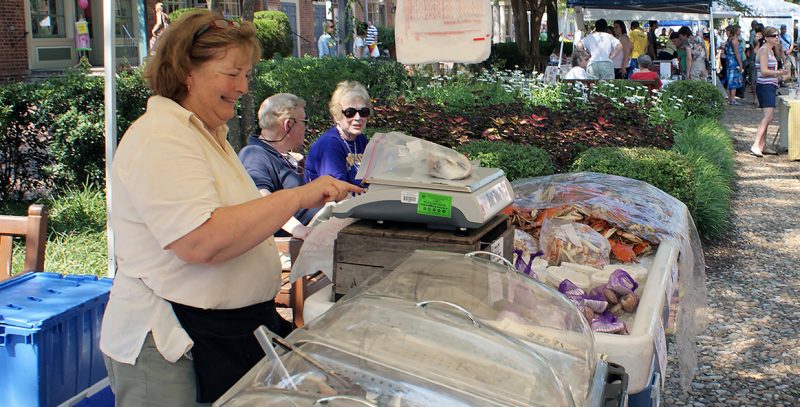
* Make sure you have an adequate amount of ice or other means to sustain a cold temperature during your entire stay at the farmers market (fig. 3). Constant opening and closing of coolers or other cooling equipment will cause the ice to melt. Drain and replace melted ice from the coolers to make sure product is not submerged in water, potentially contaminating it. Use a thermometer to verify that food is being maintained at or below 41°F.
What considerations must I keep in mind when displaying seafood on ice at a farmers market?
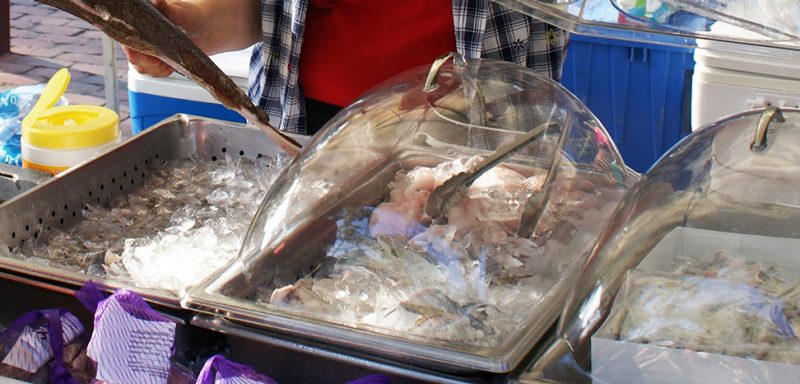
During display, keep seafood properly iced and shaded to maintain safe temperatures (fig. 4). Melted ice can be a source of contamination, so ensure water is drained away from products.
Prevent cross-contamination by keeping raw and ready-to-eat seafood products completely separate. Use food-grade containers, bags, or trays to protect products during display. Ready-to-eat items (e.g., cooked and smoked seafood) must be stored and handled separately from raw seafood.
Shellfish such as oysters and clams, which may be consumed raw, should be displayed separately from other seafood products.
Packaged products (e.g., crabmeat and shucked oysters) should be kept buried in ice to maintain proper temperature, rather than placed on top of ice. Maintain products at 41°F or below during display.
*Note: Protect allergic customers by keeping products that contain the eight major food allergens — milk, eggs, crustacean shellfish, finfish, tree nuts, wheat, peanuts, and soybeans — separate and by providing signs or other materials that alert customers to their presence in the product.
What do I need to know about selling oysters (shellstock) at a farmers market?
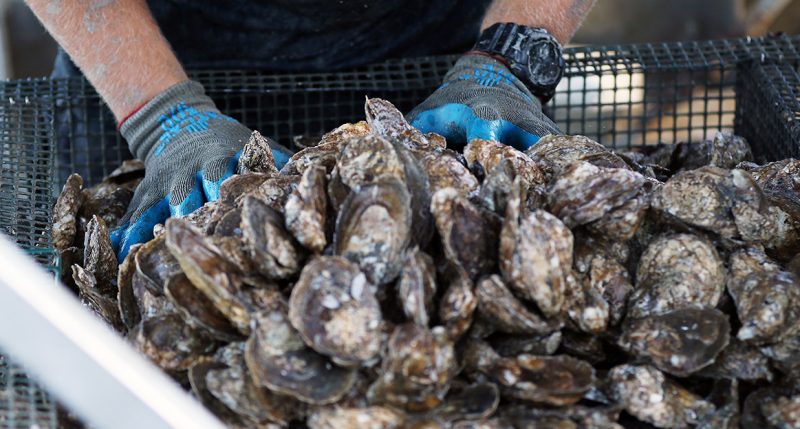
Oysters sold at a farmers market (fig. 5) must be properly tagged to indicate they come from an approved source and a certified dealer. Dealers must be certified by the Virginia Department of Health (VDH) in accordance with shellfish safety regulations.
The tag attached to each container of shellstock provides important traceability information, including the harvest location, harvest date, and the identity of the dealer who packed and shipped the oysters. Tags must remain attached to the container until the product is sold. Do not remove or alter tags prior to sale. After sale, tags must be retained for at least 90 days to support traceability in the event of a food safety investigation or recall. Maintaining proper tagging and recordkeeping is essential to ensure product safety and regulatory compliance.
At what temperature do I need to maintain oysters?
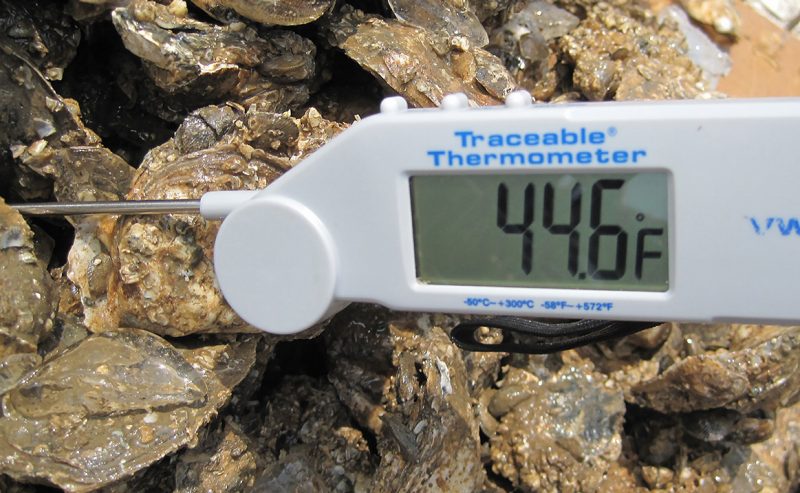
Keep live oysters, clams, and mussels at 45°F or below (fig. 6) during transport and display using refrigeration and/or ice. Because shellfish are live products, avoid exposing them to excessively cold conditions that may affect quality. Keep containers intact with original harvest tags and allow for adequate airflow. Do not mix shellfish from different sources or harvest lots.
Do I need a thermometer?
Yes. Use a calibrated metal-stem thermometer to monitor the temperature inside coolers or insulated containers, especially when they are opened frequently during the day. If you are cooking or reheating seafood products, use a thermometer to verify that proper internal temperatures are reached and maintained.
Can I cook and serve or reheat cooked seafood products at the farmers market for immediate sale to customers?
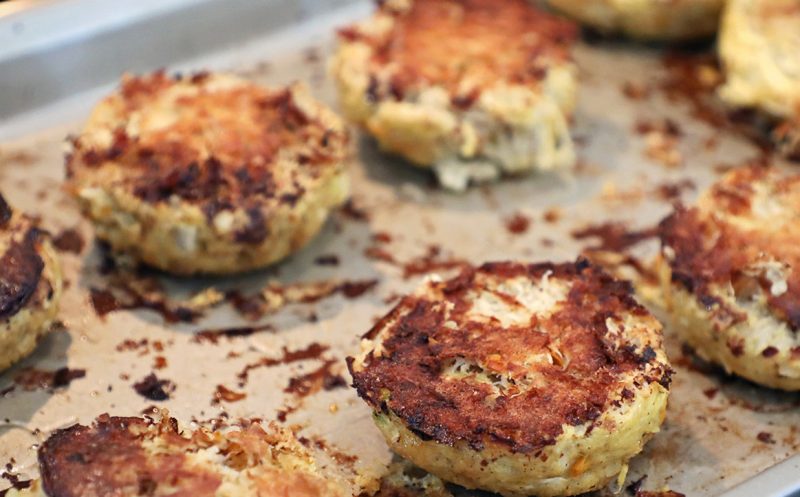
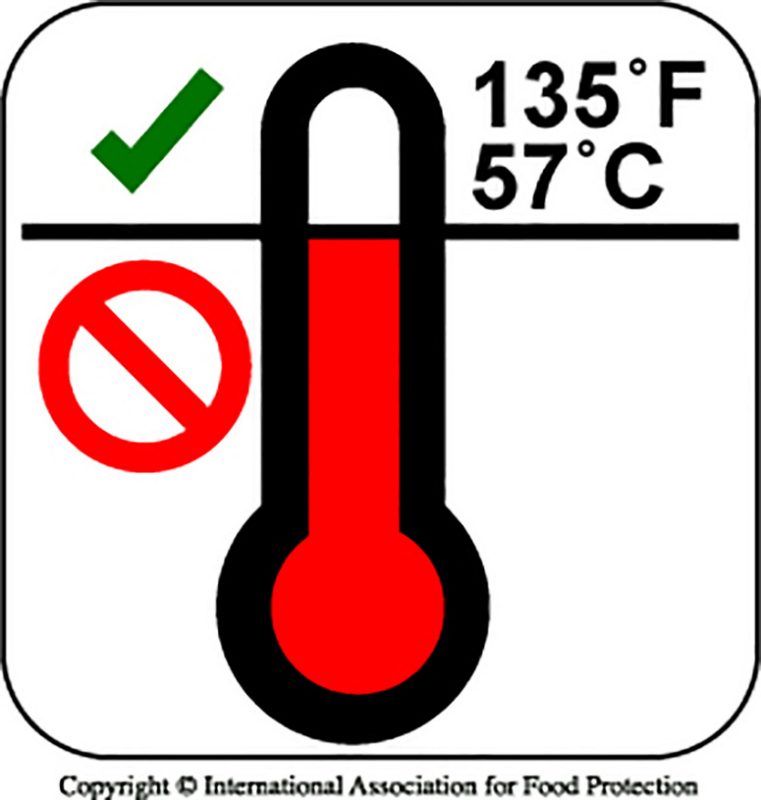
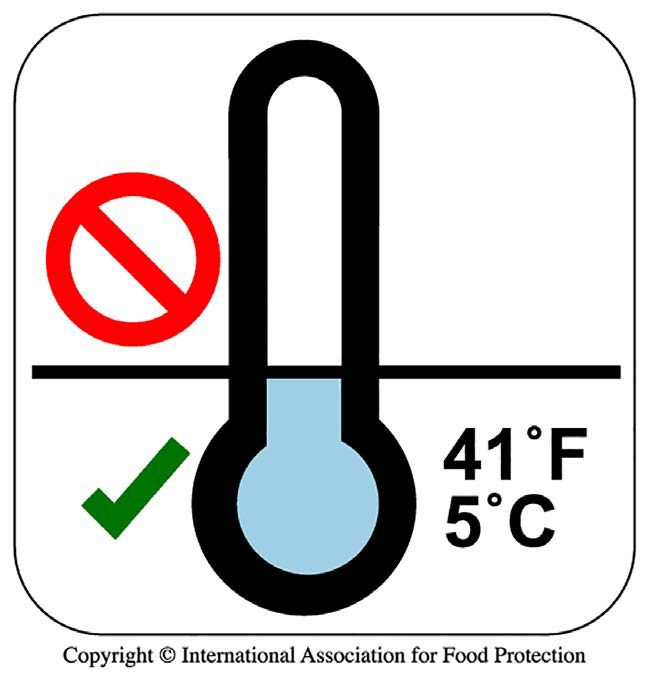
It will depend on the farmers market you have selected whether cooking or reheating seafood products is allowed (fig. 7). You may also be required to obtain additional permits depending on the locality or town. If cooking is allowed, cook raw seafood to an internal temperature of at least 145°F. Reheat cooked seafood products that are served hot to the public to at least 165°F. Once the food reaches that temperature, keep it at 135°F or greater until sold (fig. 8a). If serving cold, keep seafood products at 41°F or lower (fig. 8b). Use a calibrated metal-stem thermometer to verify that required temperatures are reached and maintained.
Do I need to provide labeling for my prepackaged seafood products?
Yes. Prepackaged seafood products must be properly labeled before sale. At a minimum, labels must include:
- Name of product.
- Net weight.
- Name and address of processor.
If a product contains multiple ingredients, the label must include a complete ingredient list in descending order by weight and clearly identify any major food allergens (milk, eggs, crustacean shellfish, finfish, tree nuts, peanuts, wheat, soybeans, and sesame).
Additional labeling information, such as safe handling instructions (e.g., “Keep Refrigerated” or “Keep Frozen”) and date marking (e.g., “Sell by” or “Best if used by”), is recommended for perishable seafood products. For specific labeling requirements and guidance, consult the VDACS Food Safety Program.
Additional Resources
Boyer, Renee R. 2012. Direct Market Food Sales in Virginia. VCE publication FST-72NP. https://vtechworks.lib.vt.edu/server/api/core/bitstreams/7a5123a6-f545-4d7c-aed2-72c5dce764e4/content.
Boyer, Renee, and Joell Eifert. 2018. Going to Market: A Guide to Selling Raw, Processed and Prepared Food Products at Farmers’ Markets, Stores & Roadside Stands. VCE publication ANR-46NP. www.pubs.ext.vt.edu/ANR/ANR-46/ANR-46.html.
Virginia Department of Agriculture and Consumer Services, Food Safety Program. Guidelines for Providing Safe Food Samples at the Market. https://www.vdacs.virginia.gov/pdf/farmers-mkt-safe-food-samples.pdf.
Selected VCE Publications About Selling Foods at Farmers Markets
Eifert, Joell, Renee Boyer, Emily Pomfrey Wells, Thomas Saunders, and Lily Yang. 2019. “What do I need to know to sell SHELL EGGS at the farmers market?” Enhancing the Safety of Locally Prepared Foods. VCE publication FST-347NP. https://www.pubs.ext.vt.edu/content/pubs_ext_vt_edu/en/FST/FST-347/FST-347.html.
Eifert, Joell, Renee Boyer, Emily Pomfrey Wells, Tommy Saunders, and Lily Yang. 2020. “What do I need to know about selling REFRIGERATED DIPS, SPREADS, DRESSING, and SALADS at the farmers market?” Enhancing the Safety of Locally Prepared Foods. VCE publication FST-300P. https://www.pubs.ext.vt.edu/content/pubs_ext_vt_edu/en/FST/FST-300/FST-300.html.
Eifert, Joell, Renee Boyer, Emily Pomfrey Wells, Thomas Saunders, and Lily Yang. 2020. “What do I need to know to sell JAMS, PRESERVES, JELLIES, and FRUIT BUTTERS at the farmers market?” Enhancing the Safety of Locally Prepared Foods. VCE publication FST-367P. www.pubs.ext.vt.edu/FST/FST-301/FST-301.html.
Virginia Cooperative Extension materials are available for public use, reprint, or citation without further permission, provided the use includes credit to the author and to Virginia Cooperative Extension, Virginia Tech, and Virginia State University.
Virginia Cooperative Extension is a partnership of Virginia Tech, Virginia State University, the U.S. Department of Agriculture (USDA), and local governments, and is an equal opportunity employer. For the full non-discrimination statement, please visit ext.vt.edu/accessibility.
Publication Date
May 5, 2026